Argyle Acres
Symbiotic farming in the Rocky Mountains, raising grass-fed beef with regenerative, daily-move rotational grazing.
Half beef · Quarter beef · Whole beef
Grass-fedGrass-finishedNo antibioticsOn-farm pickup
17 listed producers in Utah, compiled from public directories and certification bodies, cross-referenced for active operation.
Utah's beef country runs the length of the state, and almost none of it looks like the pasture on a label. In the north, around Cache Valley and the southern slope of the Uintas, the grass comes in green and the winters run long. Canyon Meadows has worked the same Altamont meadows since 1946, when Folke Myrin came over from Sweden to ranch them; three generations later, with a fourth coming up, the family still times its grazing to rest the ground and build the soil. A few valleys west, around Smithfield and Logan, Hoggan Ranch and Bonfire Beef work Cache Valley, long some of the richest farm ground in the state.
Drop south and the scale changes entirely. Bar 10 Beef runs 250,000 acres on the Arizona Strip, the remote plateau below St. George where the ranch sits nine miles from the north rim of the Grand Canyon. The elevation does the work there: low enough to grow grass through the winter, high enough to stay cool in summer, which is how a thousand mother cows stay on forage year-round in country most people would call desert. Back north in the Sanpete Valley, the quieter middle of the state, the operations shrink to family scale, Old Mill Ranch up in Mount Pleasant, Lazy C down in Centerfield, the kind of place you buy from at a pickup window or a market stall.
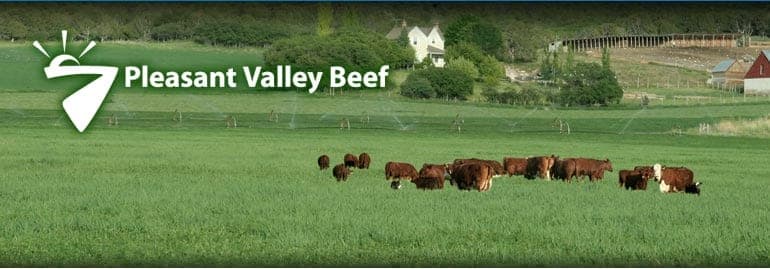
What ties them together is pasture, not a single creed about feed. Utah is cold, dry, and high, and it will not hand a rancher year-round green grass the way Georgia does, so finishing is where these operations part ways. Some chase grass straight through the snow: Redmond Heritage, in central Utah, runs a barley-sprouting fodder system so its cattle are eating green shoots in January. Others bring a herd along on a mix, the way Pleasant Valley raises its cattle on "fresh water, barley, grass and hay," and plenty of eaters seek that beef out for the flavor. Both are honest ways to raise a steer. The line that matters is pasture over feedlot, and that is the whole basis for this list.
Most of these are family operations several generations deep, which suits a place that called itself Deseret before it was Utah, the old word for honeybee, with a beehive on the state seal ever since for plain industry. You feel it in how they sell: straight off the farm, the way Utah Natural Meat does in West Jordan, where the beef, eggs, and raw milk all come off one gate.
The Utah producers below were compiled from public directories and the producers' own published descriptions. We list their claims and certifications as they state them, and do not independently audit them.
The directory is compiled from public sources: pasture-raised-beef listings, certification-body rosters (AGA, AWA, USDA Organic, Real Organic Project), and the producers’ own public websites. We cross-check addresses, contact info, and operating status before publishing. Producer claims that aren’t backed by a third-party certification are presented as the producer’s own.
We don’t take payment for listings. We don’t take payment for placement. If a farm asks to be removed, we remove them. Editorial standards are published in full.
If you raise pasture-finished beef in Utah and you’re not on this page, we’d like to know about you.
An independent directory of pasture-raised beef producers across America. Source-attributed, cross-referenced, honestly labeled. We don’t take a cut.
Symbiotic farming in the Rocky Mountains, raising grass-fed beef with regenerative, daily-move rotational grazing.
Producer profile in progress.
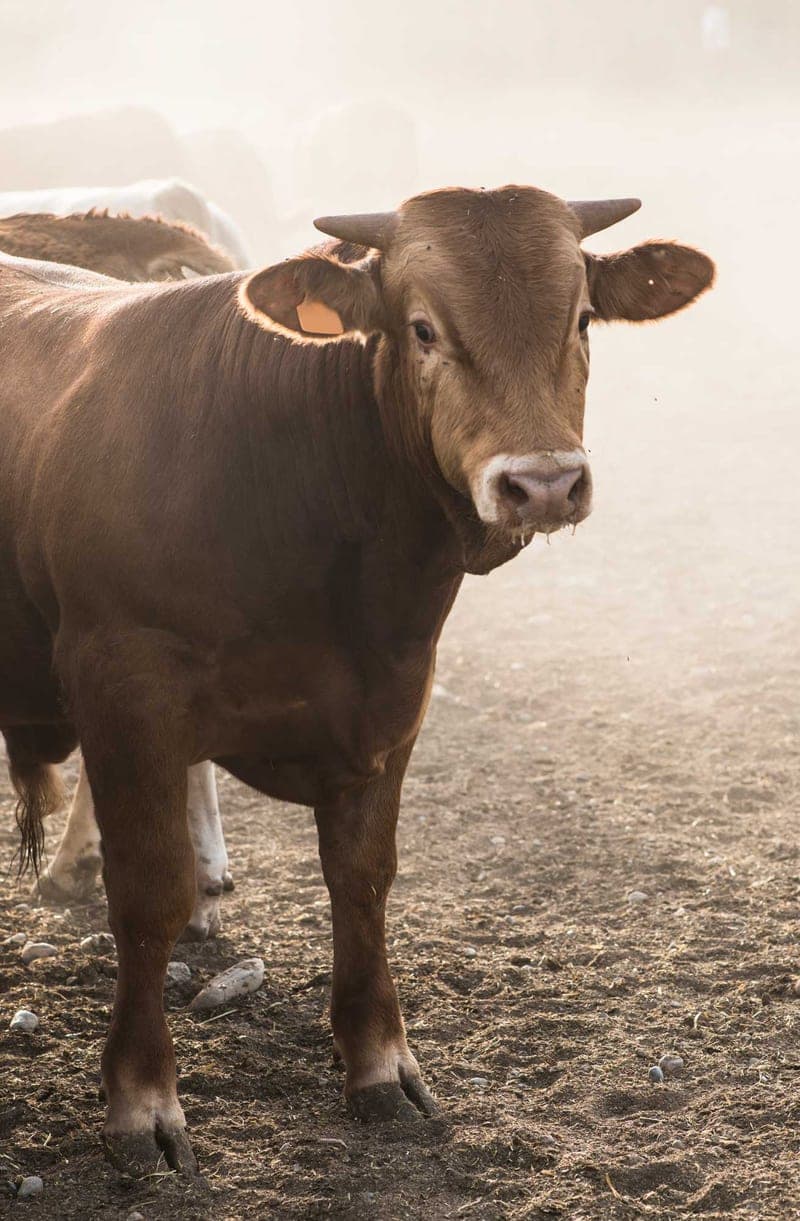
Utah natural grass-fed beef from free-range livestock raised without antibiotics or added hormones.

Hormone-free, regeneratively raised beef from Northern Utah pastures — raised right, cooked over fire, shared around a table.
Three-generation family ranch near Altamont, Utah (Uinta Basin) raising Red Angus grass-fed and grass-finished beef with rotational grazing. GAP 4 certified and IMI Global / Where Food Comes From verified. Sold direct with nationwide UPS shipping, plus roughly a dozen Utah retailers, four farmers markets, and restaurants across the Wasatch Front.
Multi-generational Utah family farm delivering grass-fed beef to drop points across Utah, Nevada, and Arizona.
Producer profile in progress.
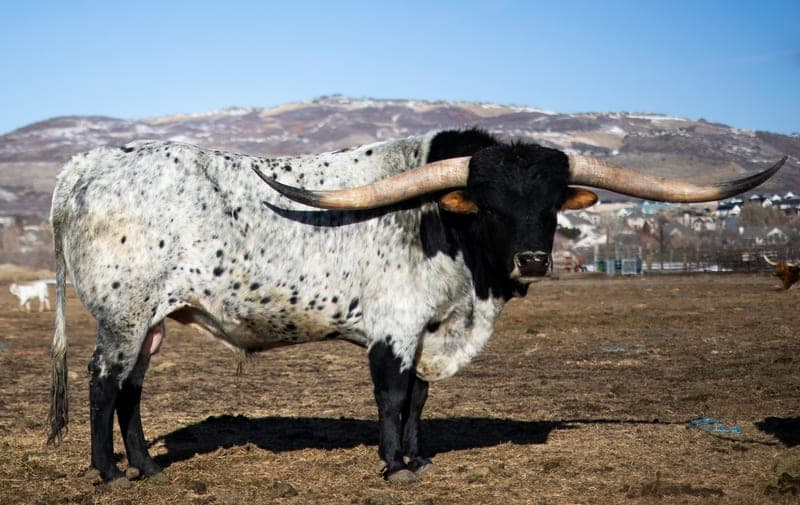
Producer profile in progress.
Producer profile in progress.
100% grass-fed Angus beef from family ranches in Utah and Idaho — no hormones, no mRNA vaccines, no fillers.

Family-run Sanpete Valley ranch raising all-natural grass-fed beef.
Producer profile in progress.
Producer profile in progress.
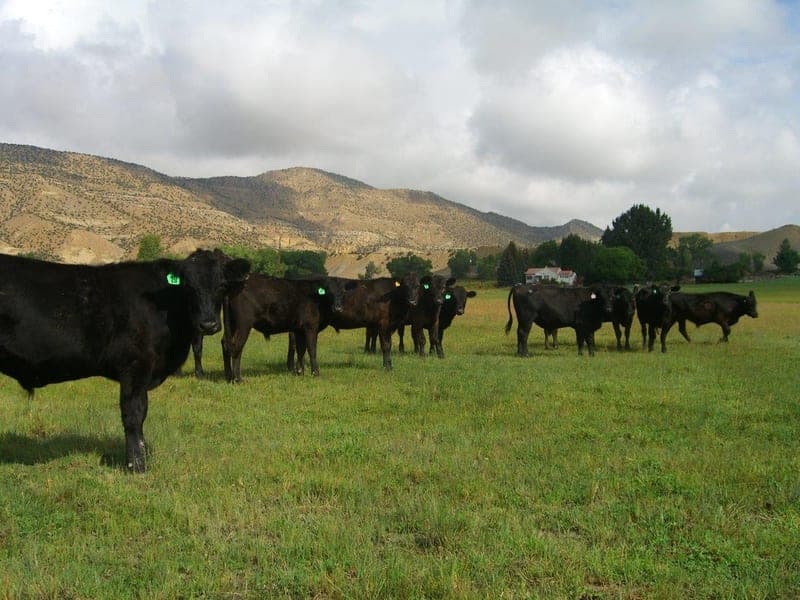
Grass-fed beef from a USDA certified organic farm — herd ranges over 250 acres of certified organic pasture in Emery, Utah.
Producer profile in progress.
Producer profile in progress.